
A garage door that refuses to close can leave your home exposed and disrupt your daily routine. The problem may be caused by blocked safety sensors, debris in the door’s path, an opener power issue, or a mechanical malfunction. Understanding why a garage door won’t close properly can help homeowners address minor issues safely and recognize more serious warning signs. Before assuming that your garage door needs major repairs, a few simple troubleshooting steps can help identify common problems and determine whether a basic adjustment or professional service is necessary.
We sought expert advice from Florida Garage Doors on the most effective garage door troubleshooting methods, how to identify common closing problems, and which warning signs indicate that professional garage door repair is needed to restore safe and reliable operation.
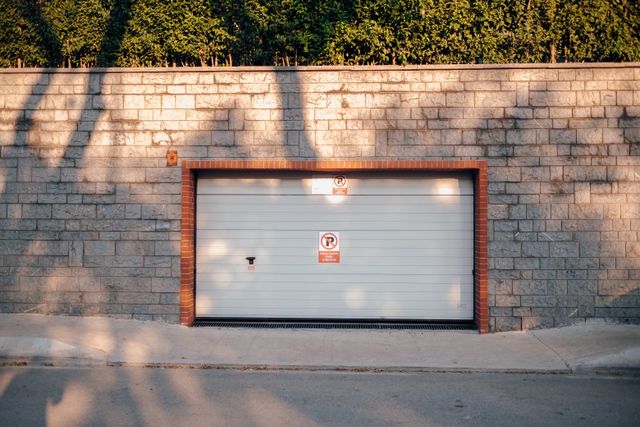
Garage Door Won’t Close? 7 Troubleshooting Steps to Try First
When a garage door won’t close, start with simple visual checks before investigating the opener system. Keep people and pets away from the door’s moving path, and never bypass its safety features or attempt to repair high-tension components.
- Check for Obstructions in the Door’s Path – Look along the garage floor and beneath the door for tools, toys, leaves, stones, or other objects that may prevent it from closing fully. Even a small obstruction can activate the safety reversal system and cause the door to stop or move back up. Remove any visible objects and try operating the door again while keeping the entire movement in view.
- Clean the Garage Door Safety Sensors – Photo-eye sensors are usually mounted near the bottom of the door tracks, facing one another. Dust, cobwebs, and grime can interfere with the invisible beam and prevent the door from closing. Gently clean both sensor lenses with a soft, dry cloth, and check whether the problem has been resolved.
- Check Whether the Safety Sensors Are Aligned – If one sensor appears to have been bumped out of position, the beam may no longer reach the opposite sensor correctly. Look at the indicator lights, if your opener model has them, and consult the manufacturer’s instructions to interpret their status. Carefully restore alignment only as directed by the manual. If the lights remain off or flicker despite a clear path and correct alignment, damaged wiring or a faulty sensor may require professional garage door repair.
- Test the Remote and Wall Control – If the garage door won’t close using the remote, replace its batteries and make sure you are within operating range. Then try the wall-mounted control. If the wall button works but the remote does not, the problem may involve the remote, its programming, or its receiver. If neither control operates the door, investigate the opener’s power supply and status indicators.
- Check the Garage Door Opener’s Power Supply – Confirm that the opener is plugged into its outlet and look for obvious signs of a tripped circuit breaker or interrupted power. Check the power source only if it is safe to do so, and follow the manufacturer’s reset instructions when applicable. If the breaker trips repeatedly, you notice damaged wiring, or the opener remains unresponsive, stop troubleshooting and contact a qualified professional.
- Observe How the Door Behaves During Closing – Watch a normal closing attempt from a safe position and note whether the door starts moving, stops partway, reverses immediately, or reaches the floor before opening again. These patterns can help identify whether the issue involves sensor activation, resistance, or the opener’s travel settings. Do not repeatedly activate a malfunctioning door or adjust the force and travel limits without following the exact manufacturer instructions, since incorrect settings can compromise the safety reversal system.
- Inspect the Visible Tracks and Bottom Seal – Check the accessible sections of the garage door tracks for dirt, loose debris, obvious dents, or other visible damage. Examine the bottom weather seal and the floor beneath it for accumulated debris or ice that might obstruct closure. Remove loose debris from accessible areas, but do not bend the tracks, loosen mounting hardware, or attempt to reposition the rollers. If the door appears crooked or continues to bind, arrange a professional inspection.
When a Garage Door Won’t Close Despite Troubleshooting
If these basic checks do not resolve the problem, the cause may involve damaged springs, frayed lifting cables, worn rollers, bent tracks, or a faulty opener mechanism. A door that closes partway and reverses may also have an obstruction or an issue requiring closer examination of its travel settings. If you notice a broken spring, a hanging cable, a crooked door, or unusual grinding and banging, stop operating the system and keep people away from it. Never force the door closed, disconnect safety sensors, or attempt to override the automatic reversal mechanism simply to get the door to shut. A qualified garage door technician can identify the underlying fault, inspect the connected hardware, and restore proper operation safely.
How to Prevent Garage Door Closing Problems
Regular garage door maintenance can reduce the likelihood of unexpected closing issues and help keep the opener and mechanical components operating reliably. Clean the photo-eye sensors periodically, keep the door’s travel path clear, inspect visible hardware for signs of wear, and follow the manufacturer’s lubrication and maintenance recommendations. Test the garage door safety reversal system at the intervals specified by the manufacturer, commonly monthly, and arrange professional service if a test fails. Pay attention to changes in operating speed, noise, or movement rather than waiting until the door stops working completely. Preventive maintenance helps identify developing problems early and supports the long-term performance of your garage door system.
In conclusion, when a garage door won’t close, and basic troubleshooting does not solve the problem, or if you discover signs of spring damage, cable failure, or misalignment – professional garage door repair is the safest next step. Addressing closing problems promptly helps protect your home, maintain reliable operation, and ensure that essential safety features continue to function as intended.
Written by Florida Garage Doors, your local garage doors and gate technician in Naples Garage Door Repair, Fort Myers Garage Door Repair, Marco Island Garage Door Repair, Immokalee Garage Door Repair, Golden Gate Garage Door Repair, Cape Coral Garage Door Repair, Lehigh Acres Garage Door Repair, Bonita Springs Garage Door Repair, North Fort Myers Garage Door Repair, Estero Garage Door Repair, San Carlos Park Garage Door Repair, Iona Garage Door Repair, Port Charlotte Garage Door Repair, Punta Gorda Garage Door Repair and Englewood Garage Door Repair.